It's HOT, HOT, HOT
This weekend we are in Kentucky at the Antique Show at Shaker Village in Pleasant Hill. We had a few thunderstorms early...
Click to Read Full Blog

Client Comments
There is no higher compliment than a referral or recommendation. Some of our customers have also offered their thoughts on our work.

We just wanted to tell you how pleased we are with the framing you did on our two portrait miniatures. We were particularly pleased with your ability to fit one into an old frame that we have owned for a long time.
- Marguerite,CT

It was very much my pleasure to pick the artwork from your studio. Indeed we are enjoying the exquisite restoration work you performed. Much justice has now been done to the little M. Rettig painting and we thank you!
- Karen and Joe, Lawrenceburg, IN


Paintings & Frames
Paintings & Frames
Paintings & Frames
Paintings & Frames
Paintings & Frames
Paintings & Frames
Paintings & Frames
Paintings & Frames
Paintings & Frames
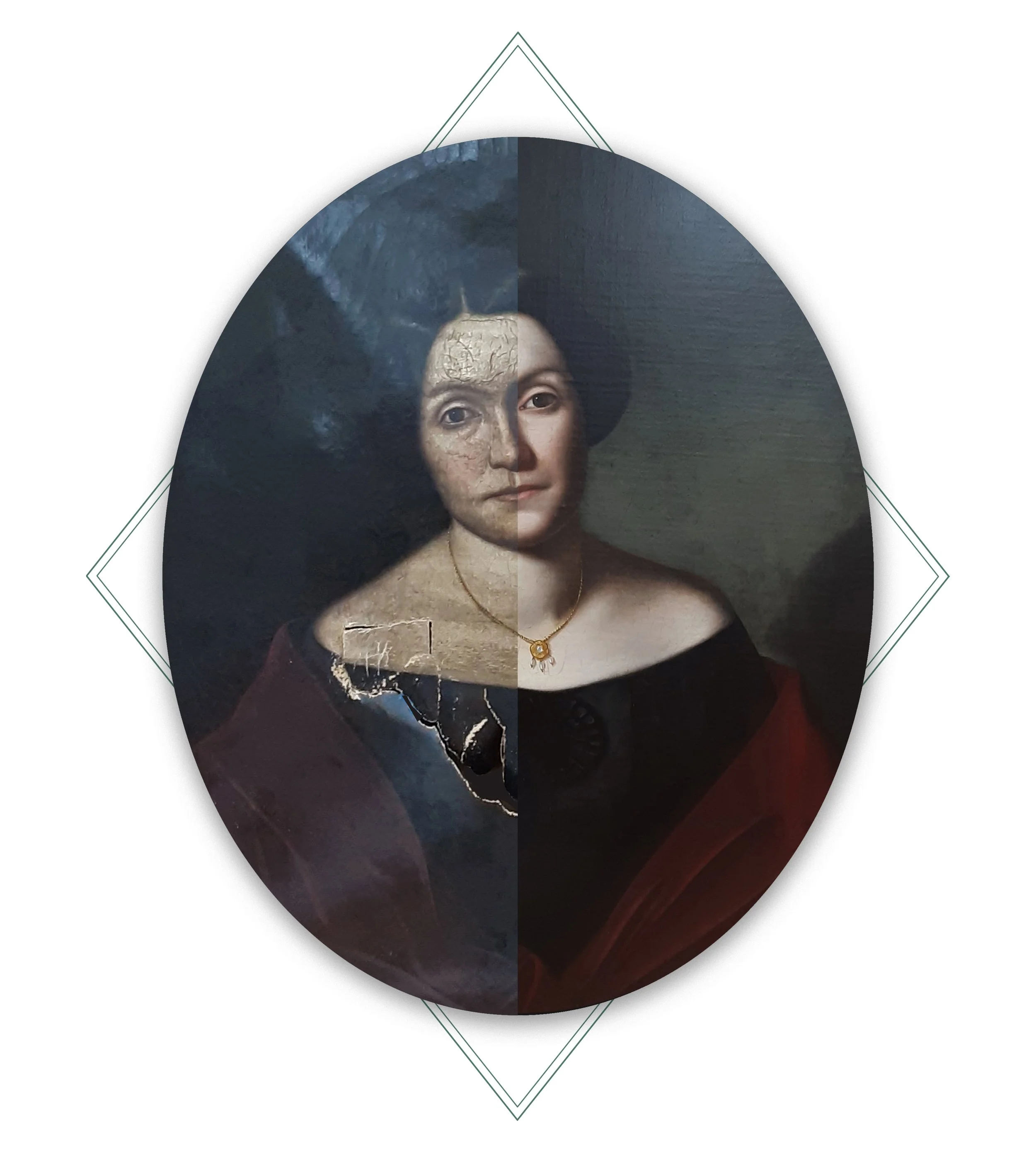
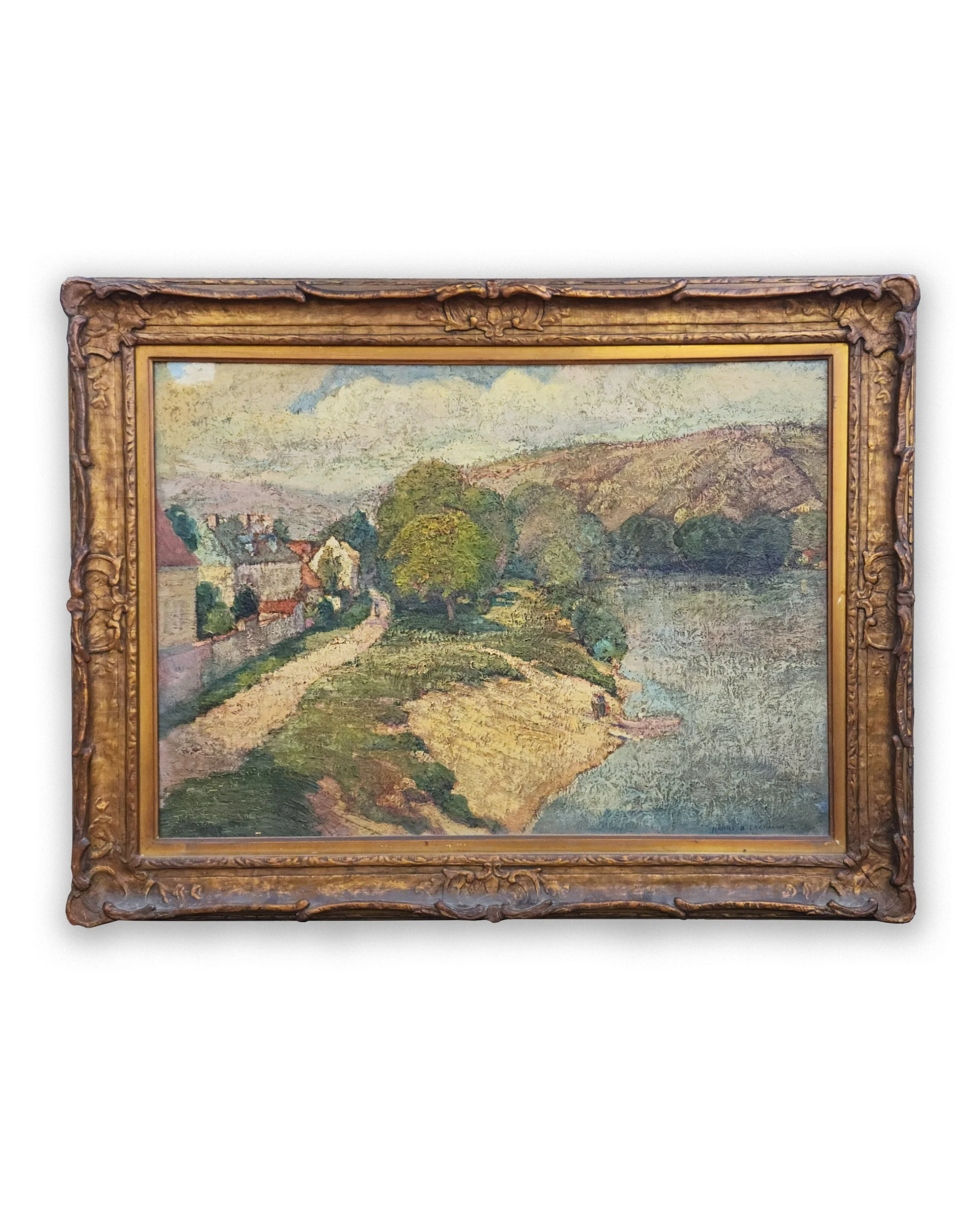
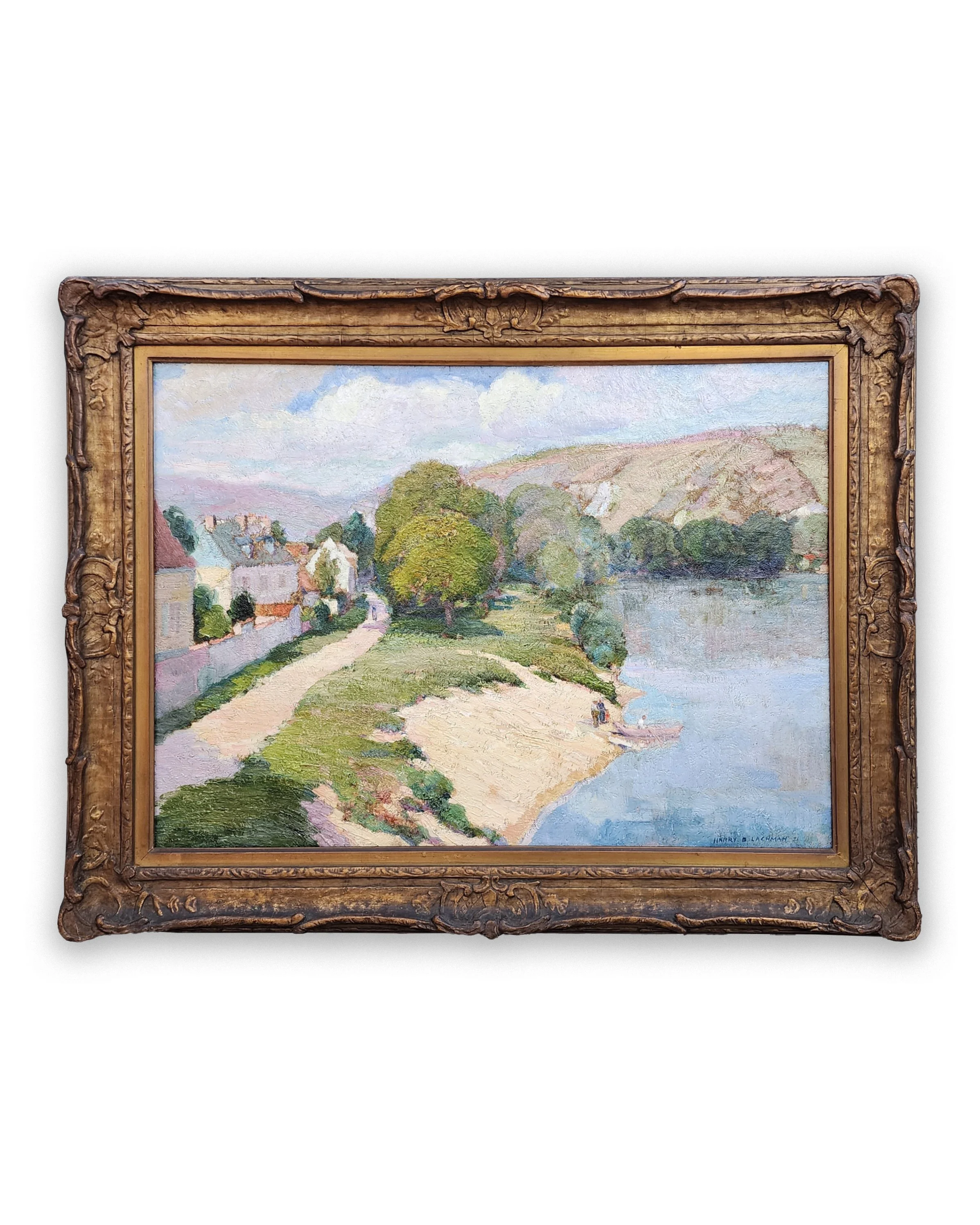
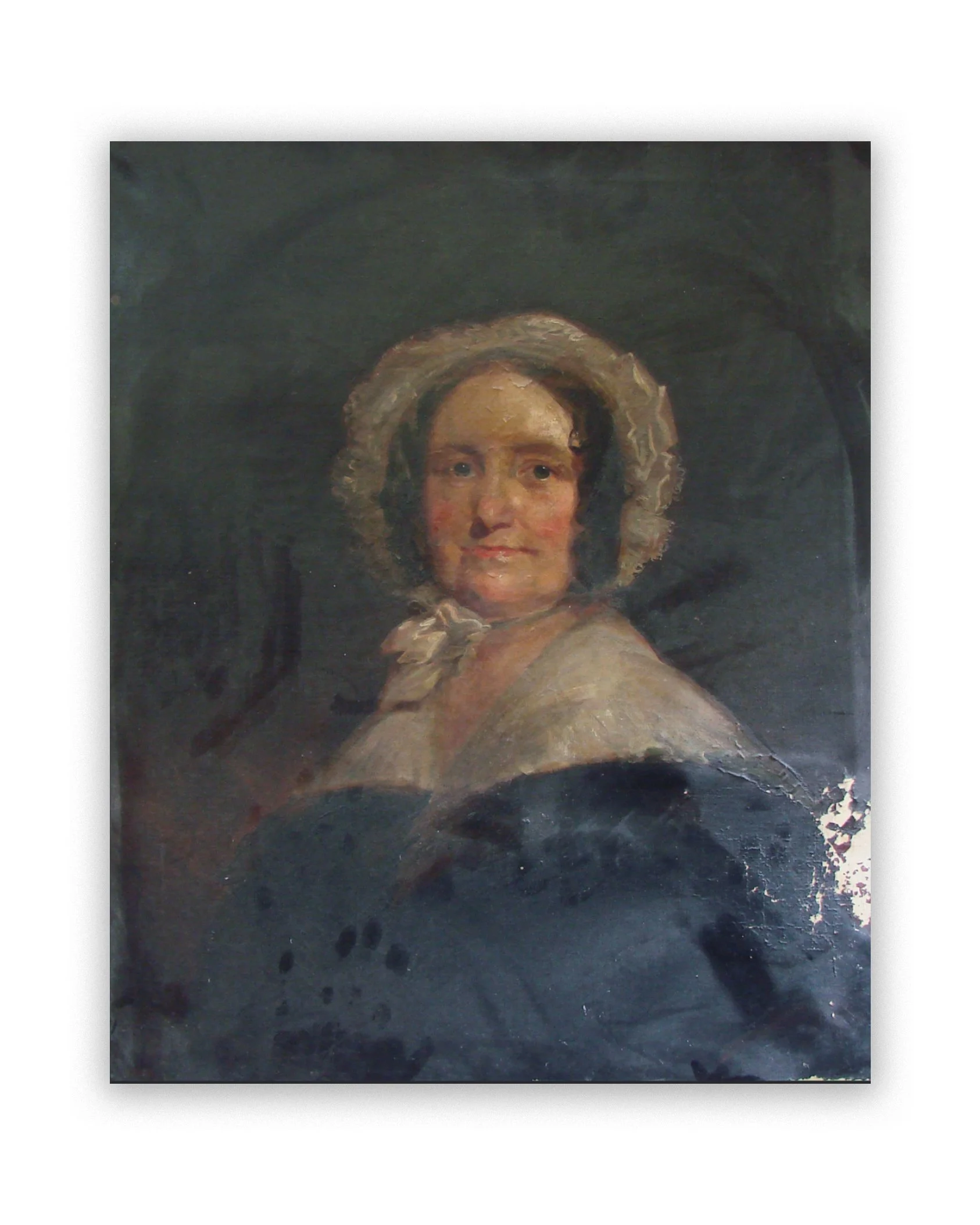
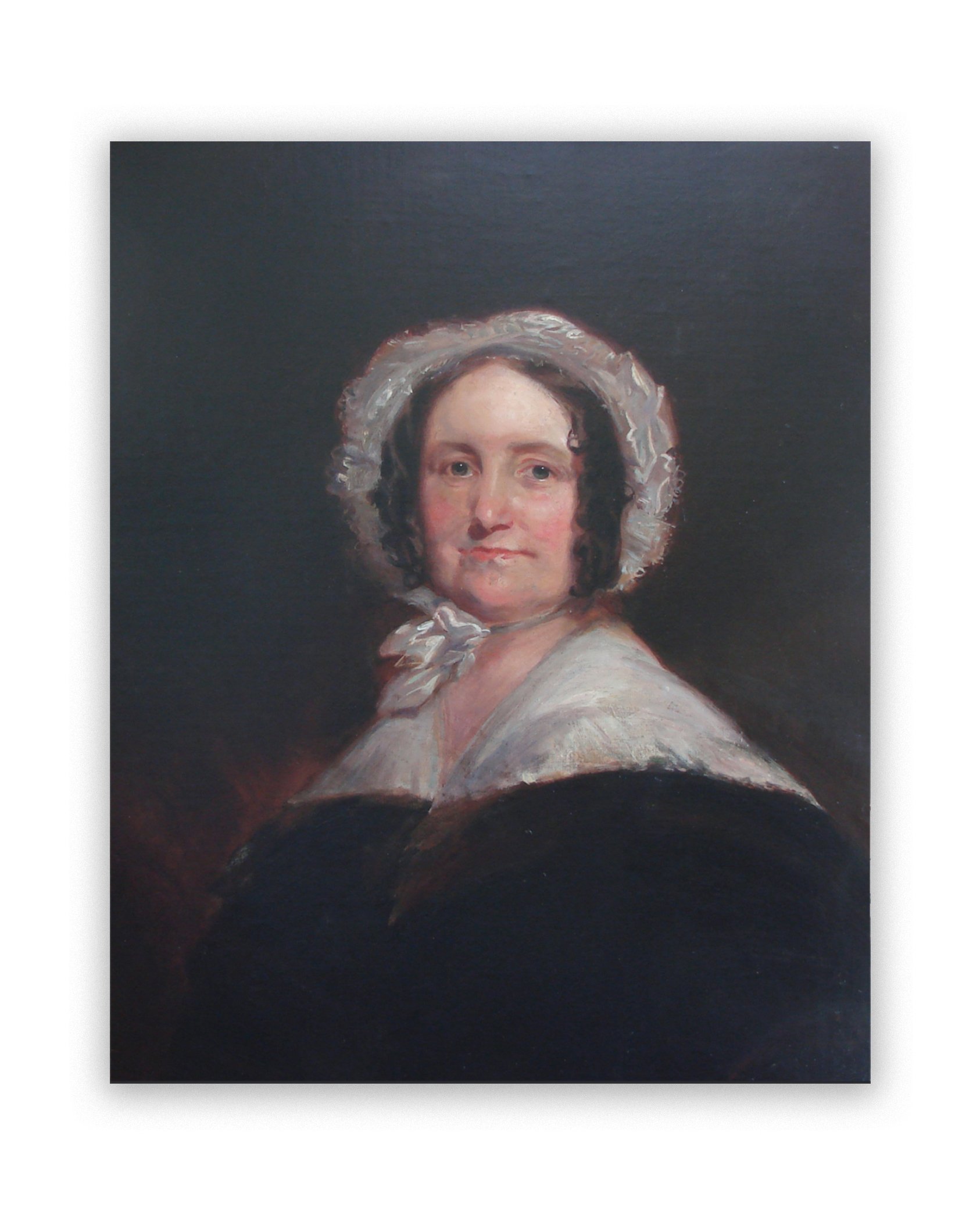
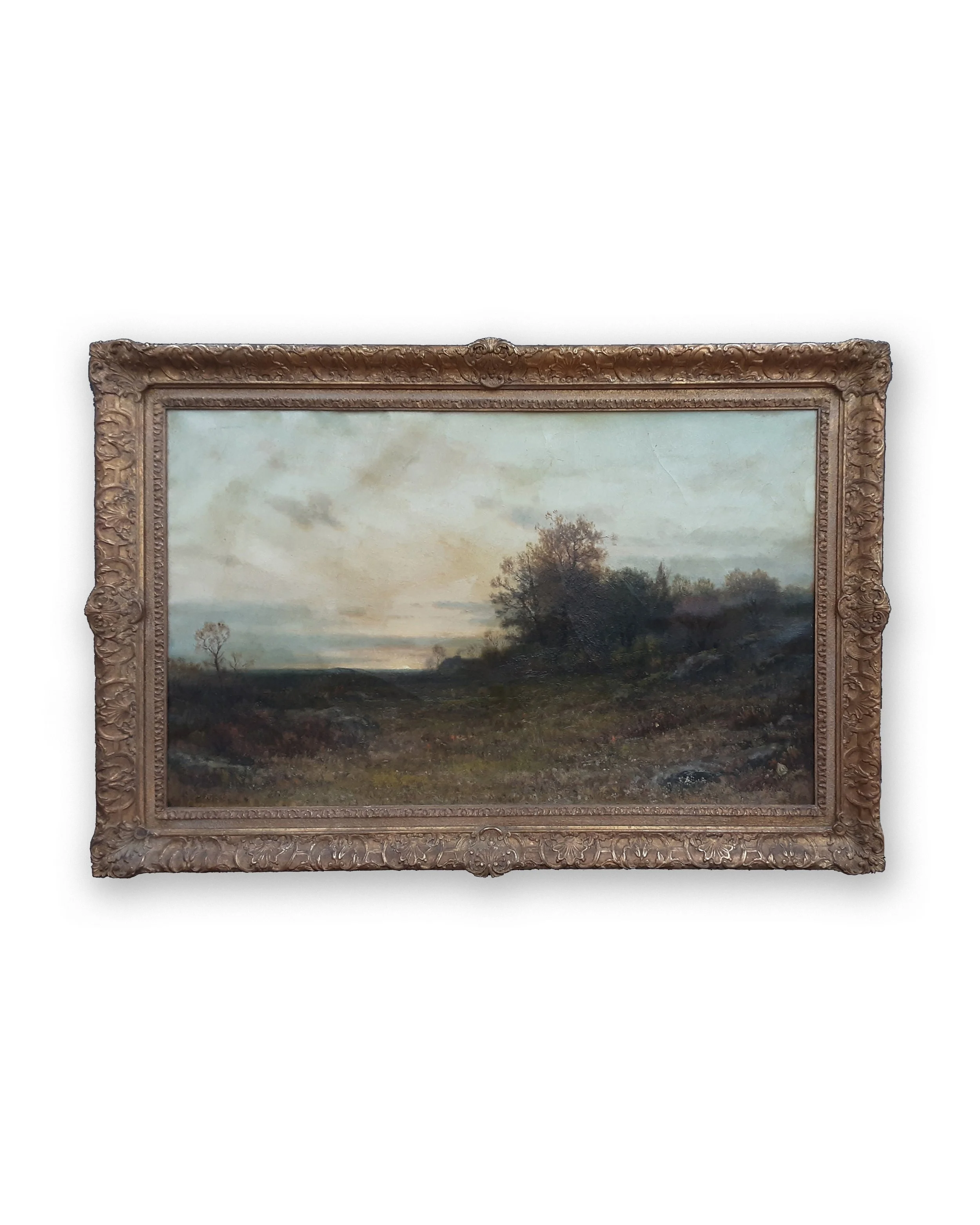
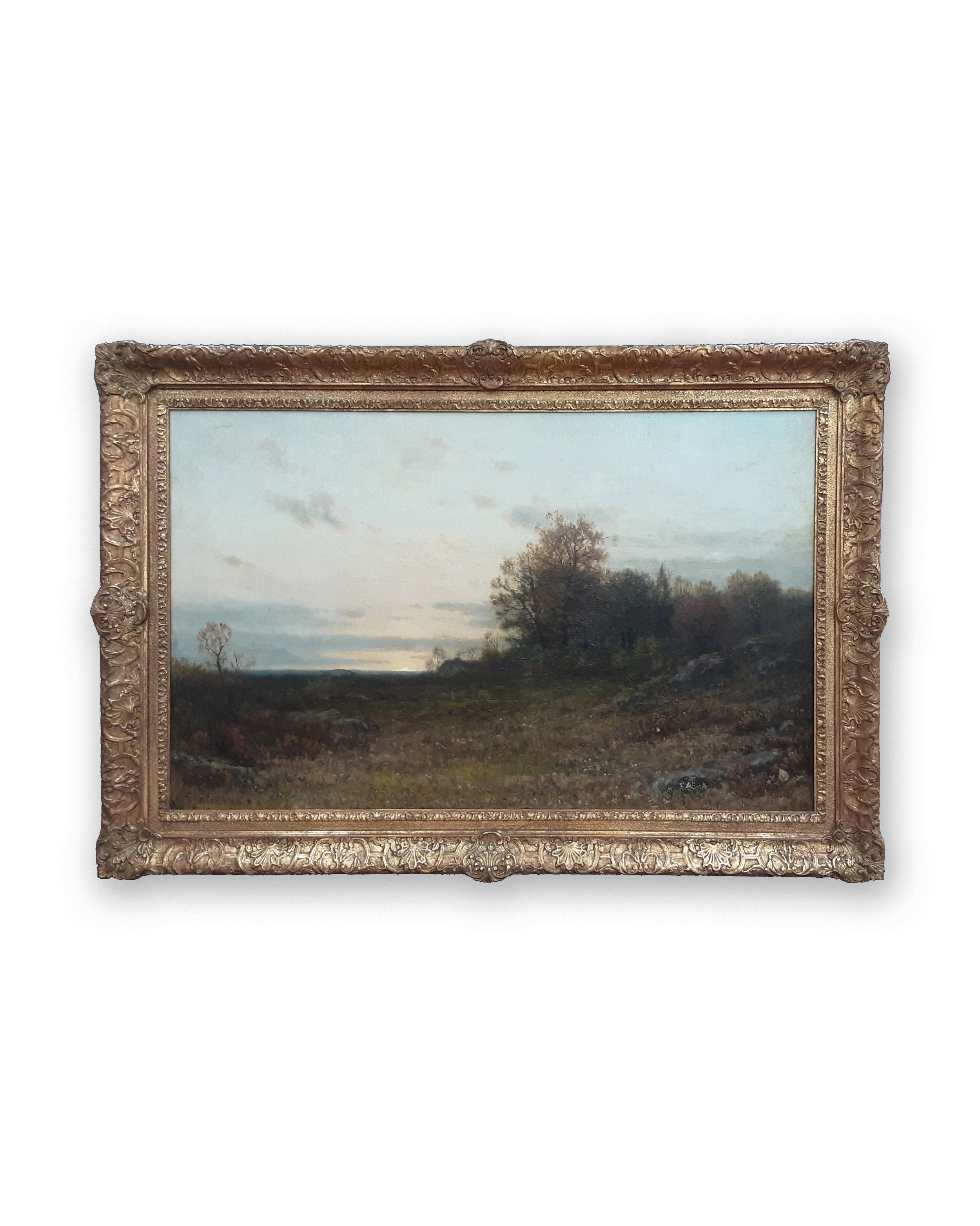
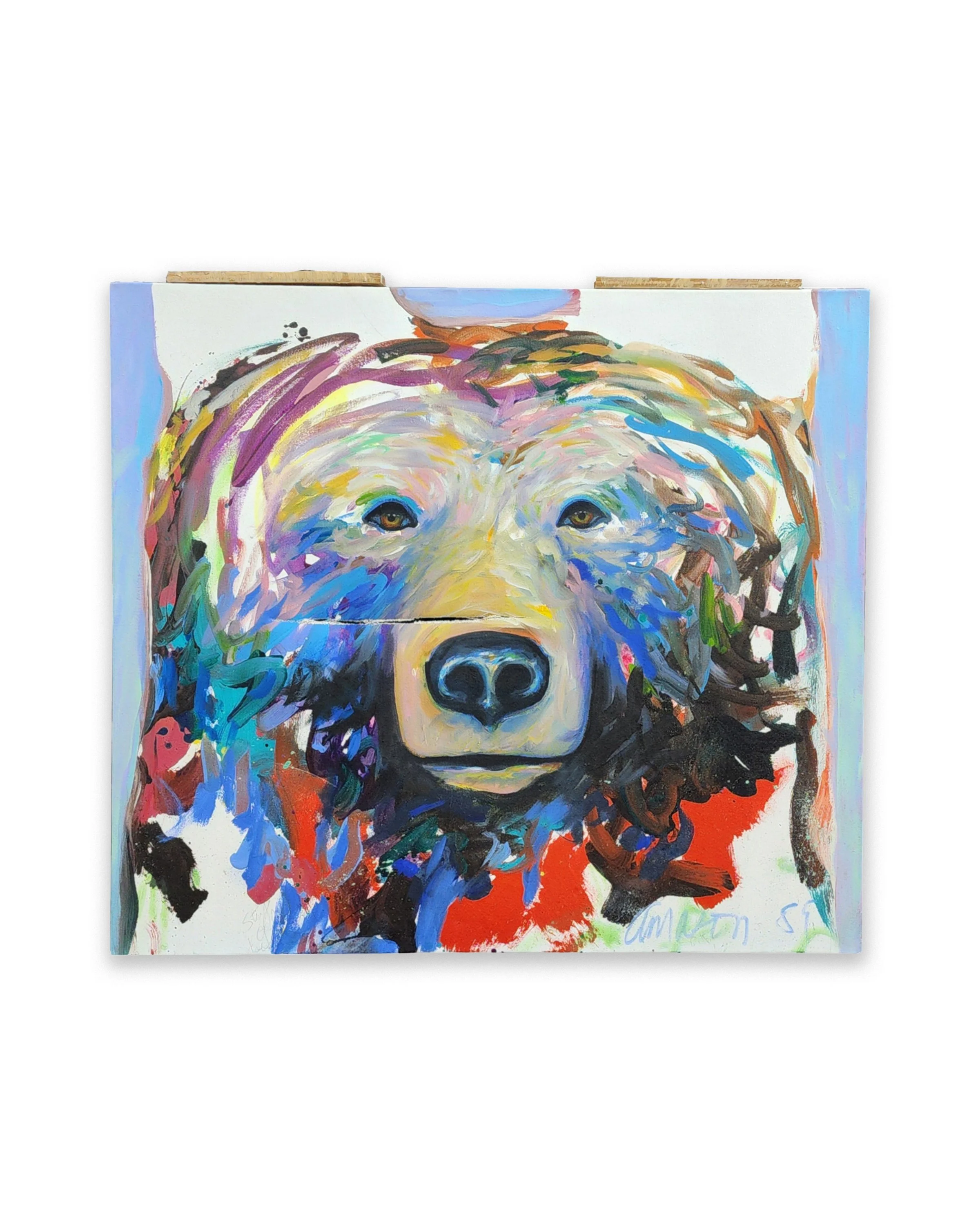
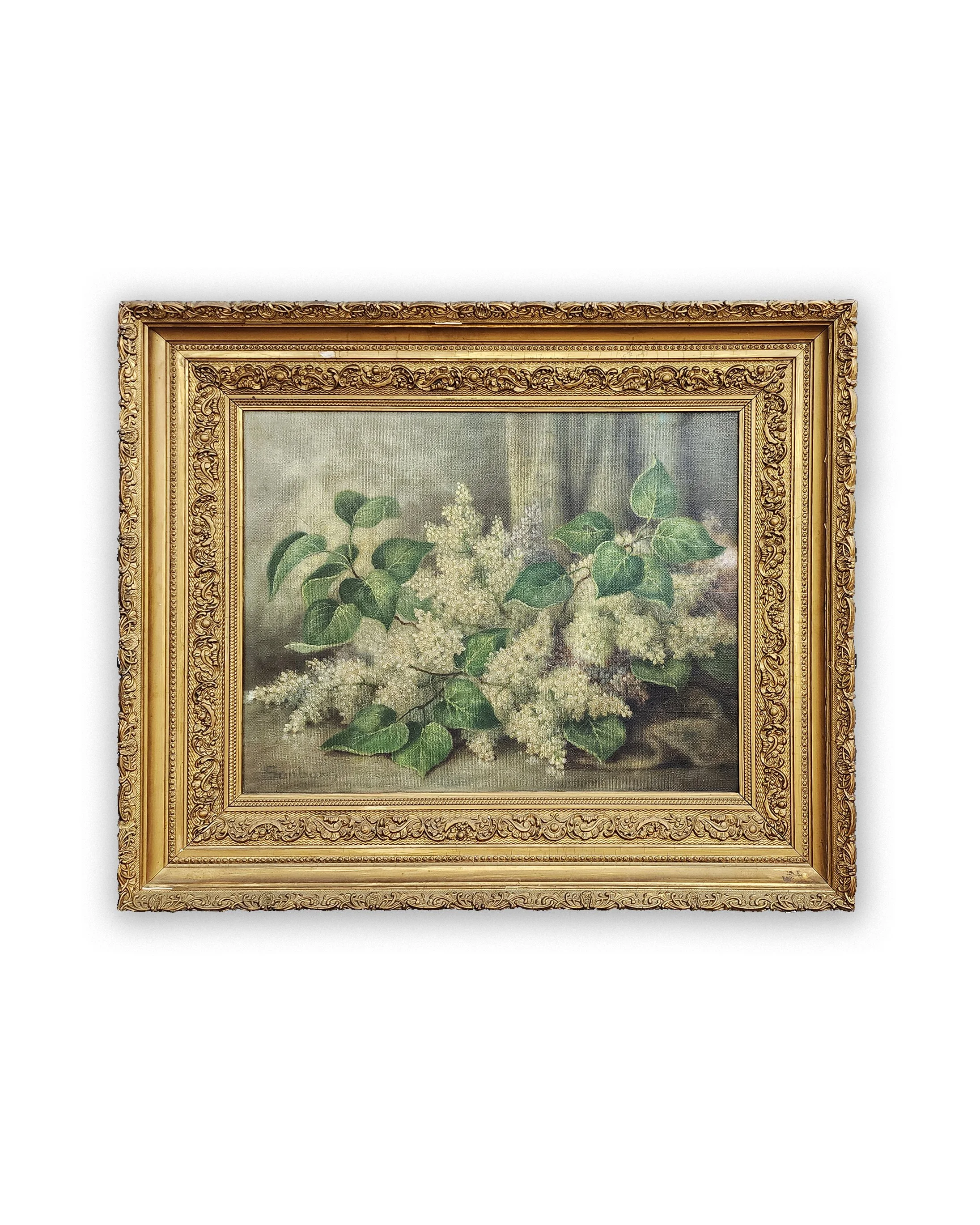
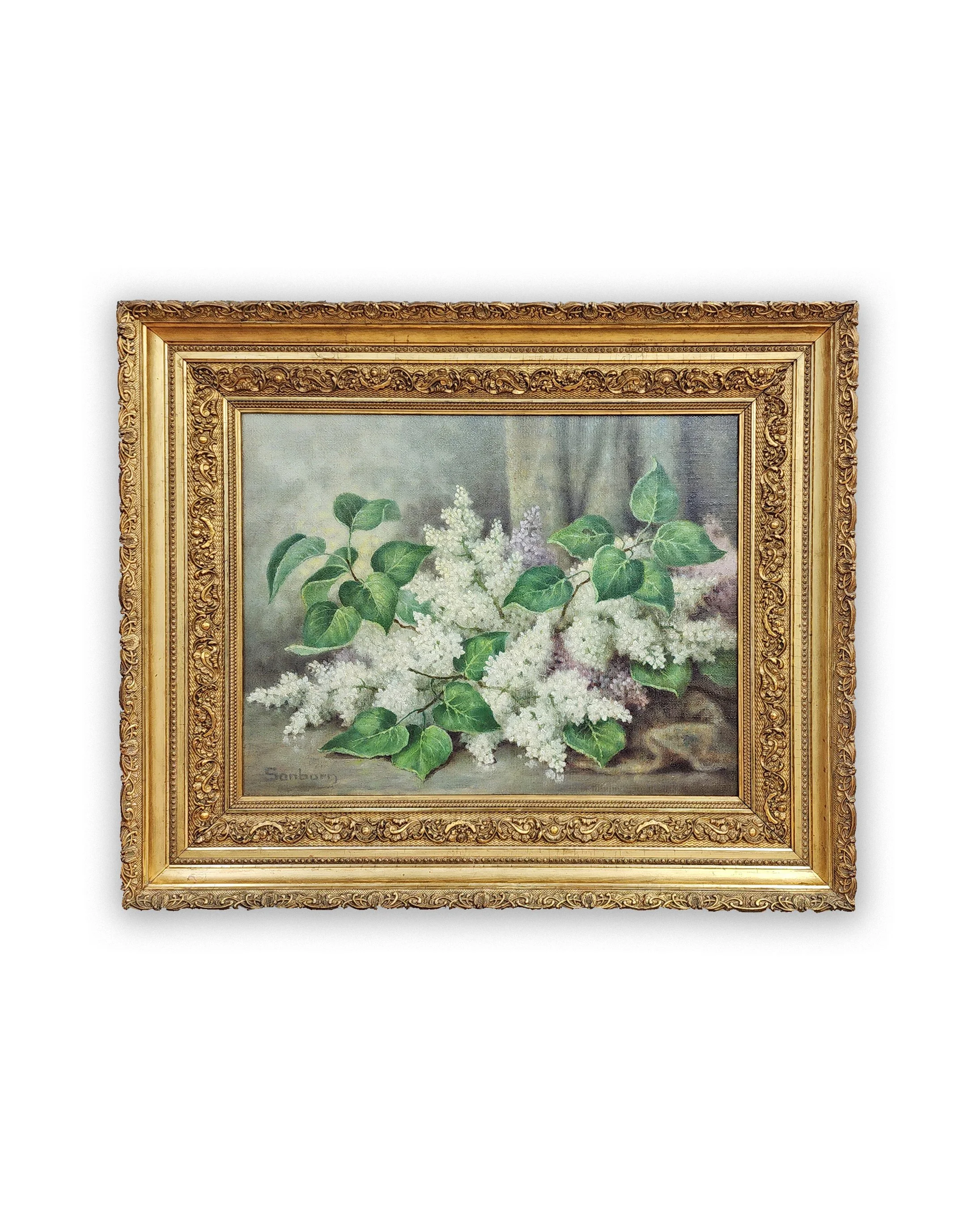
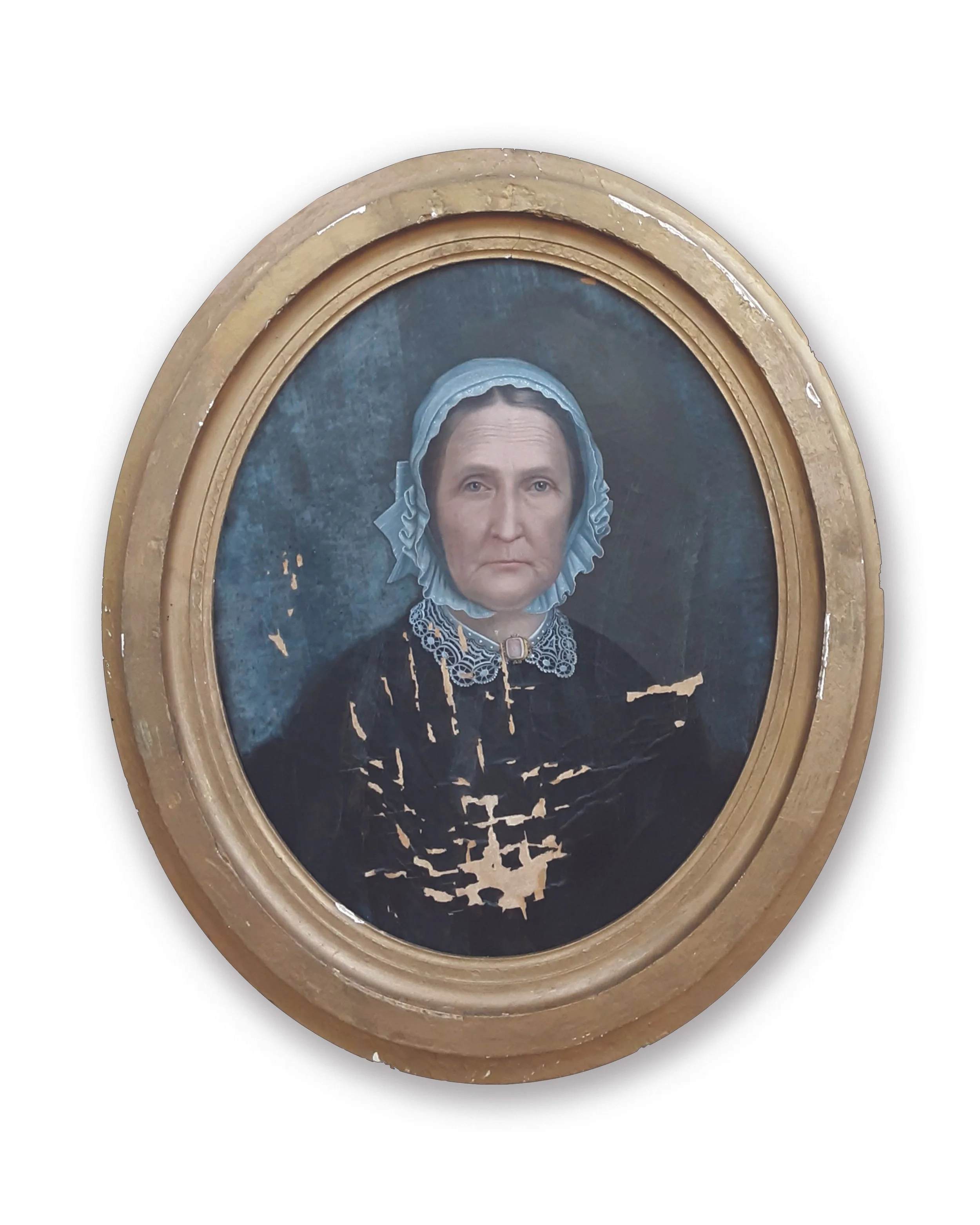
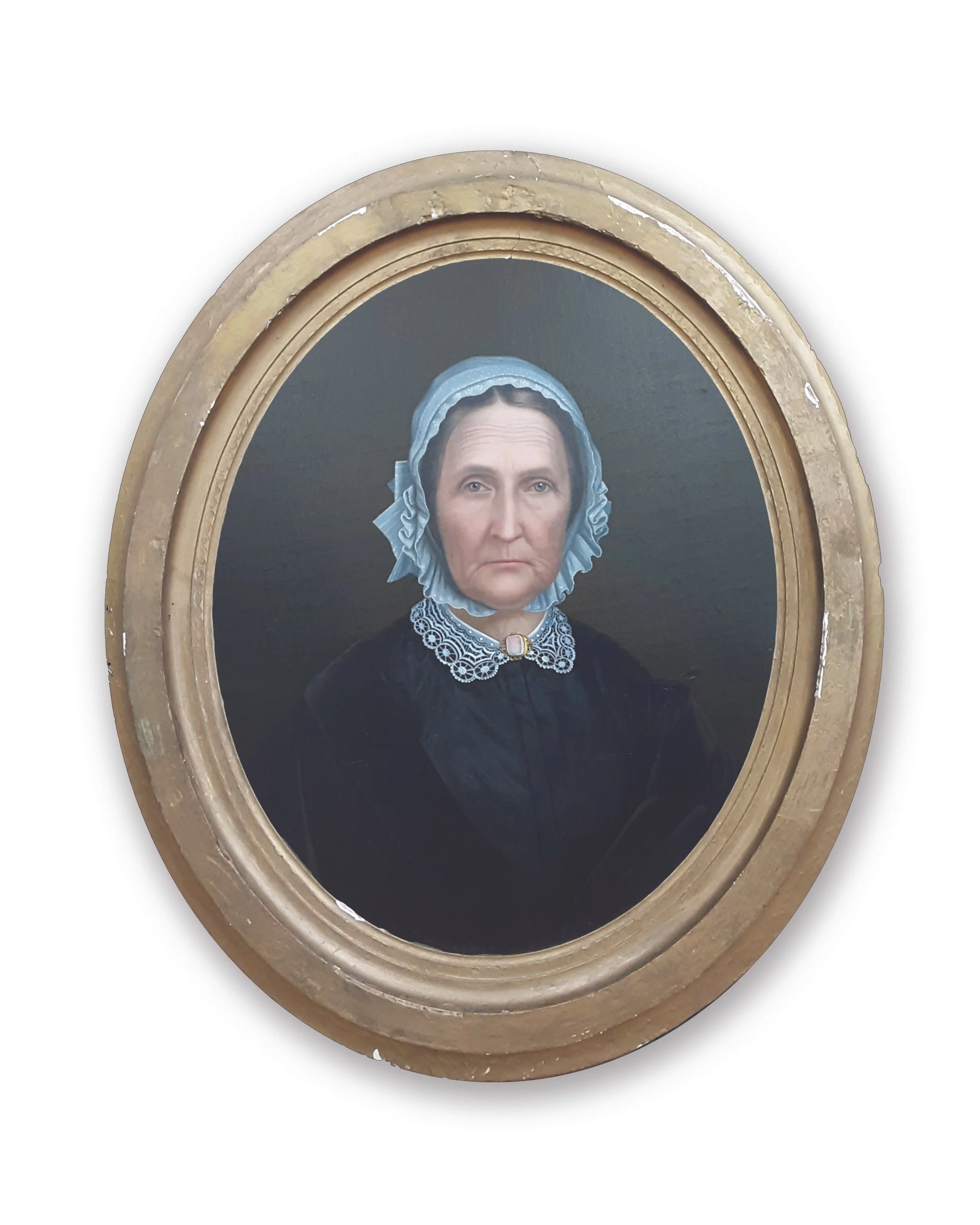
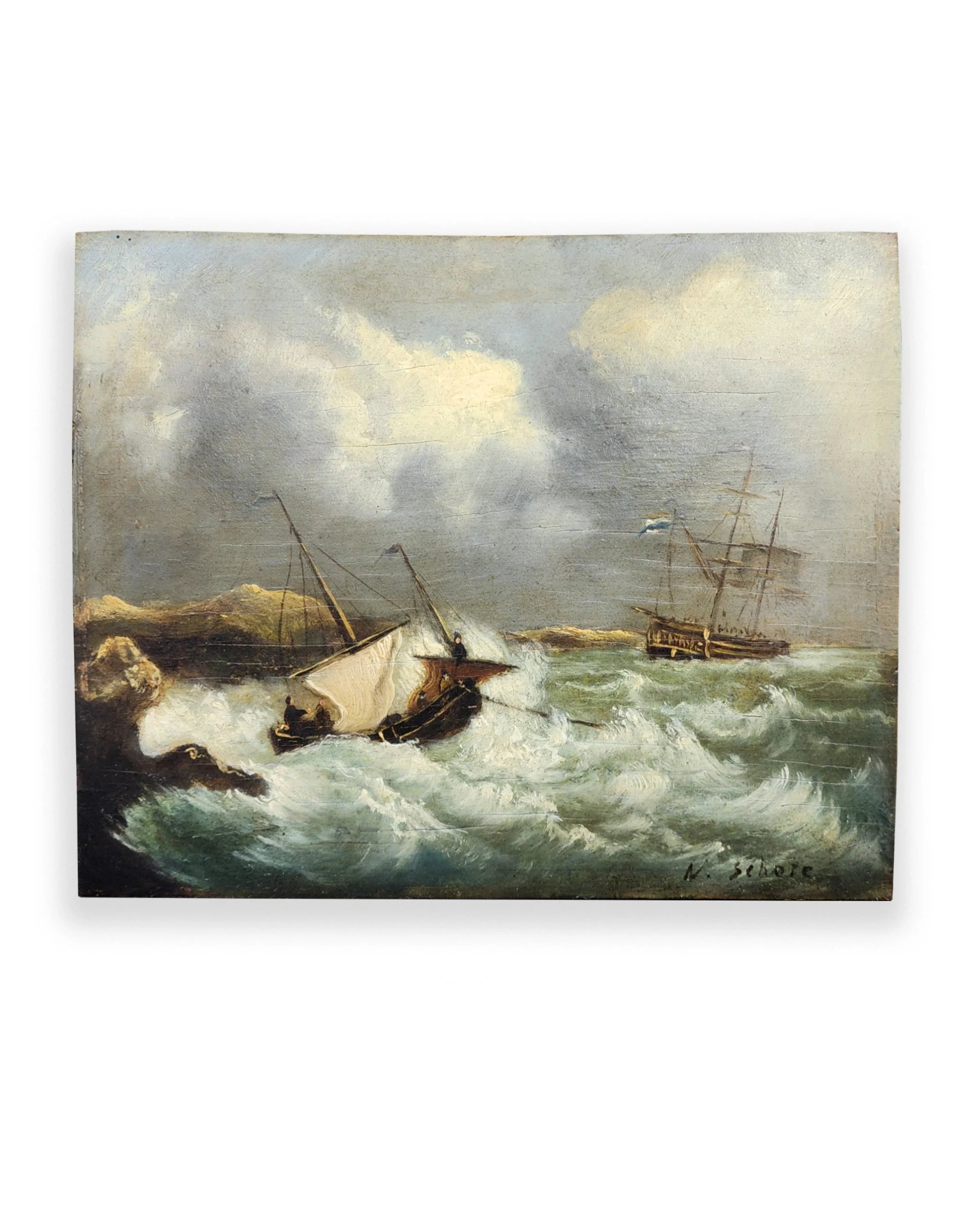
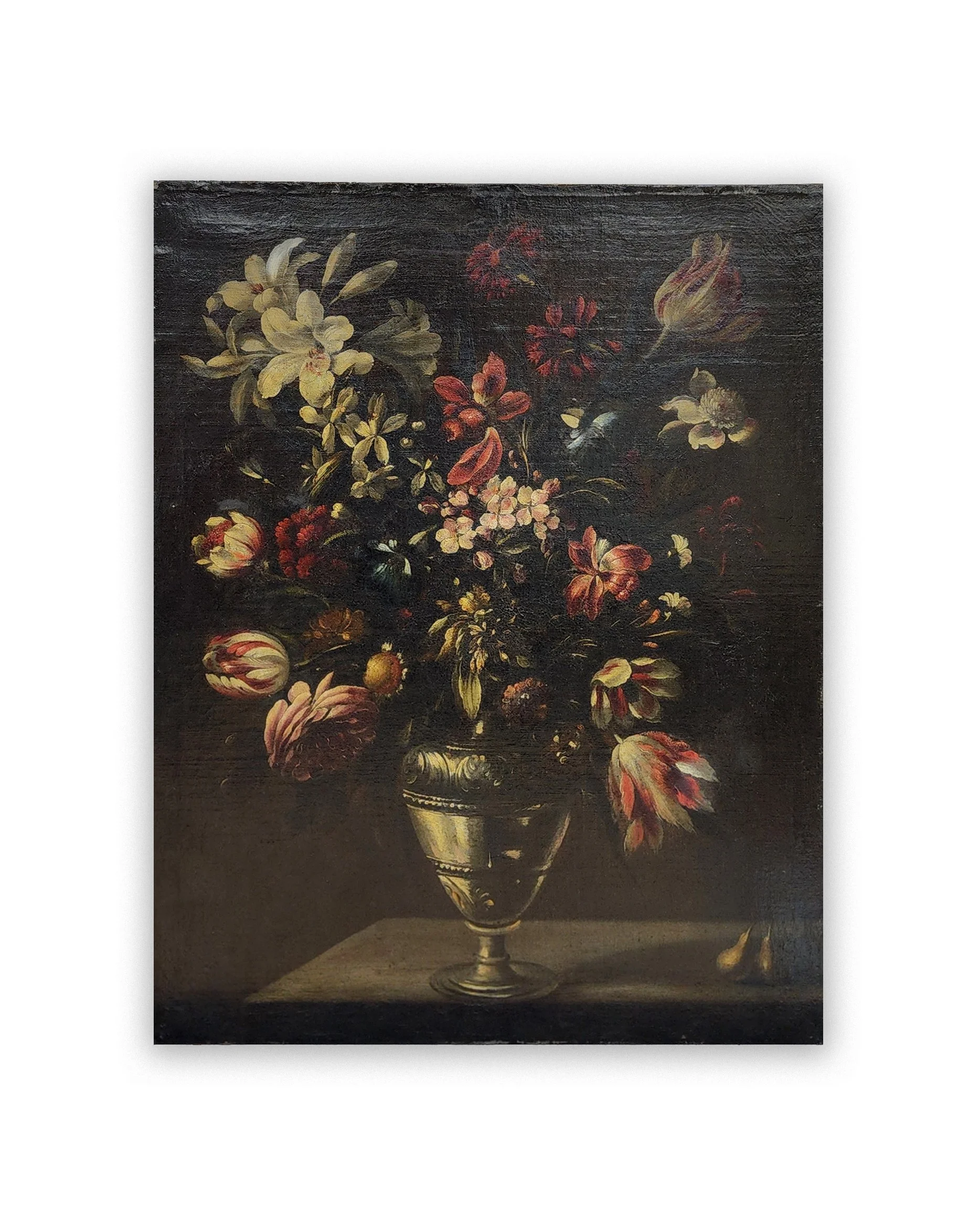
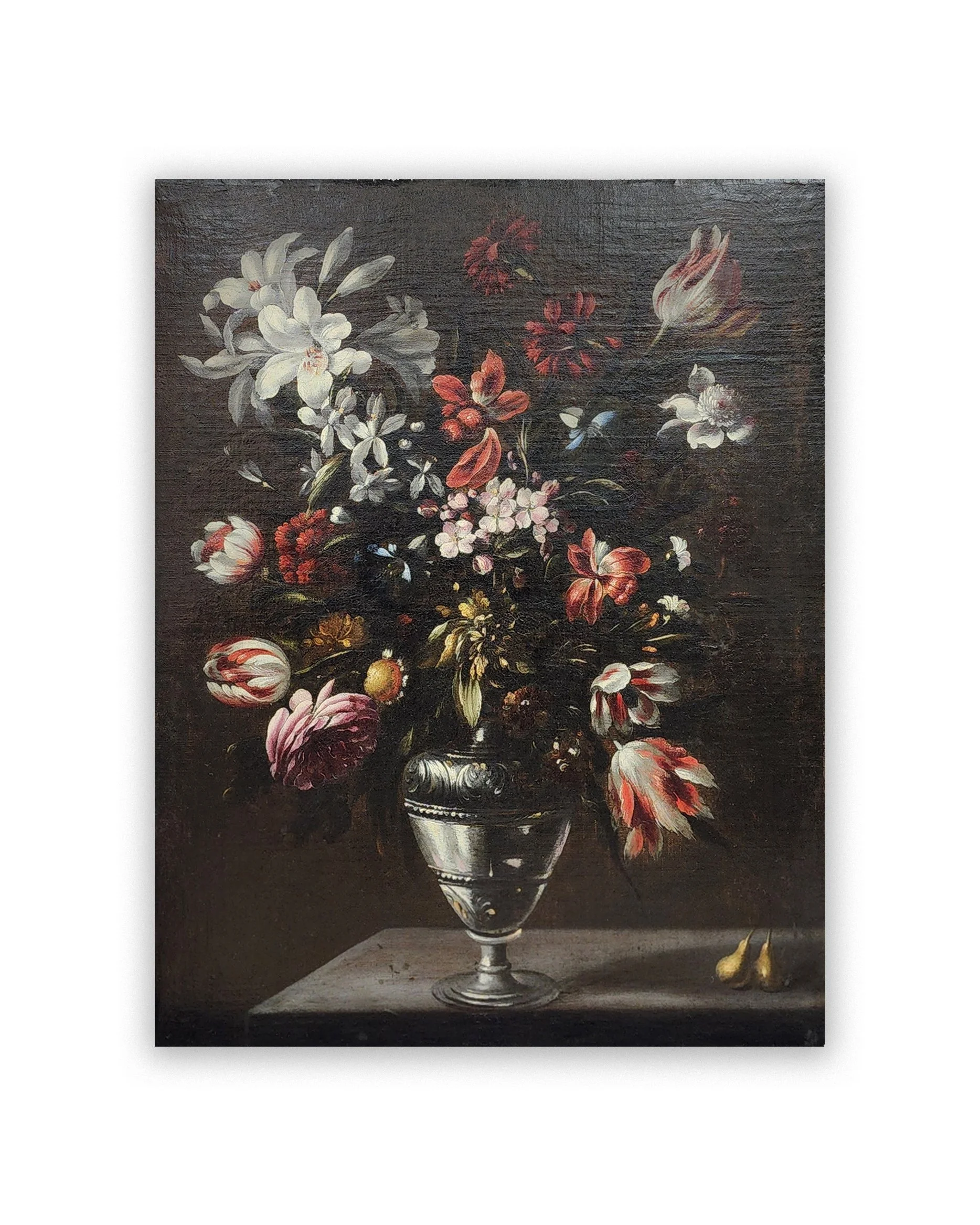
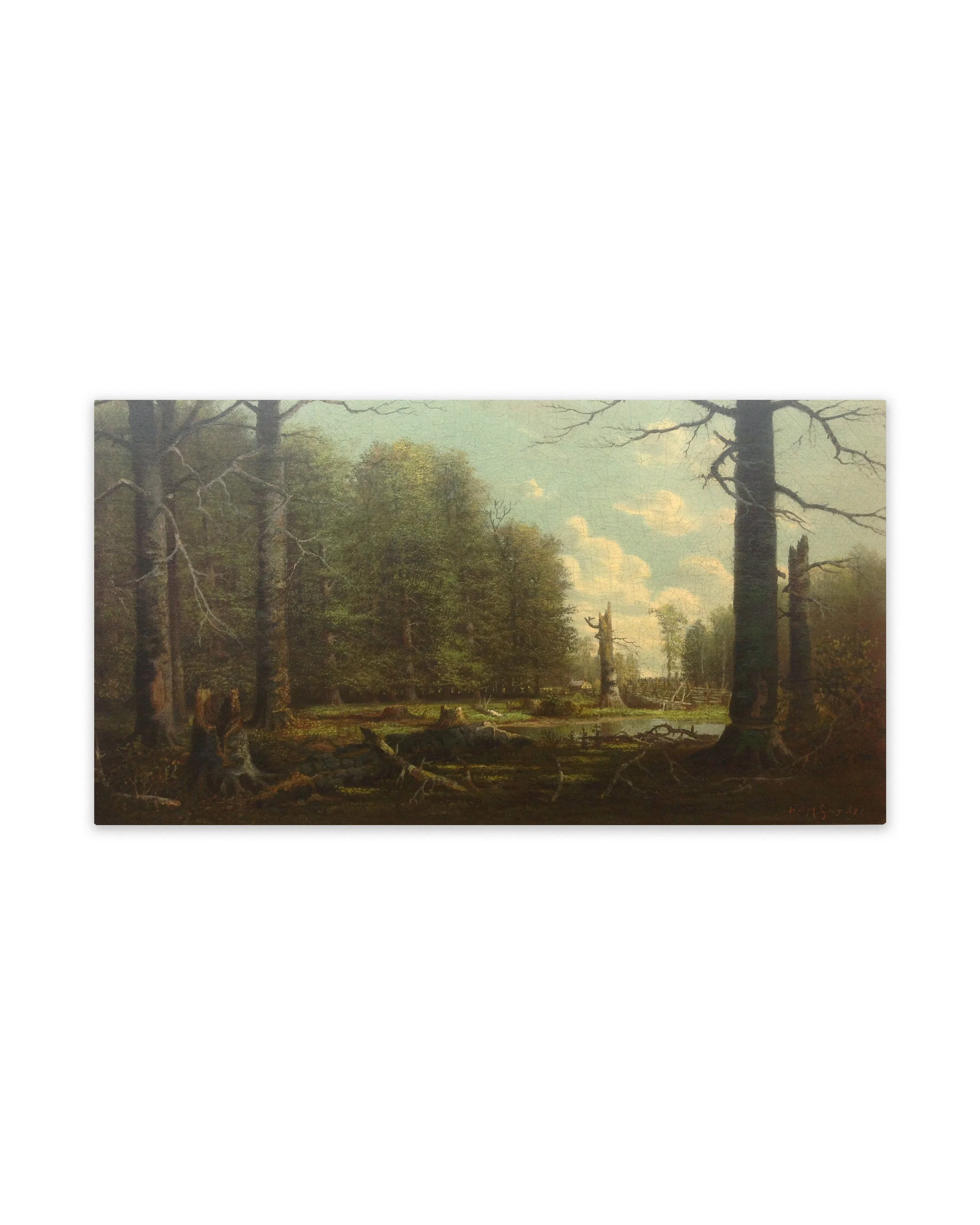
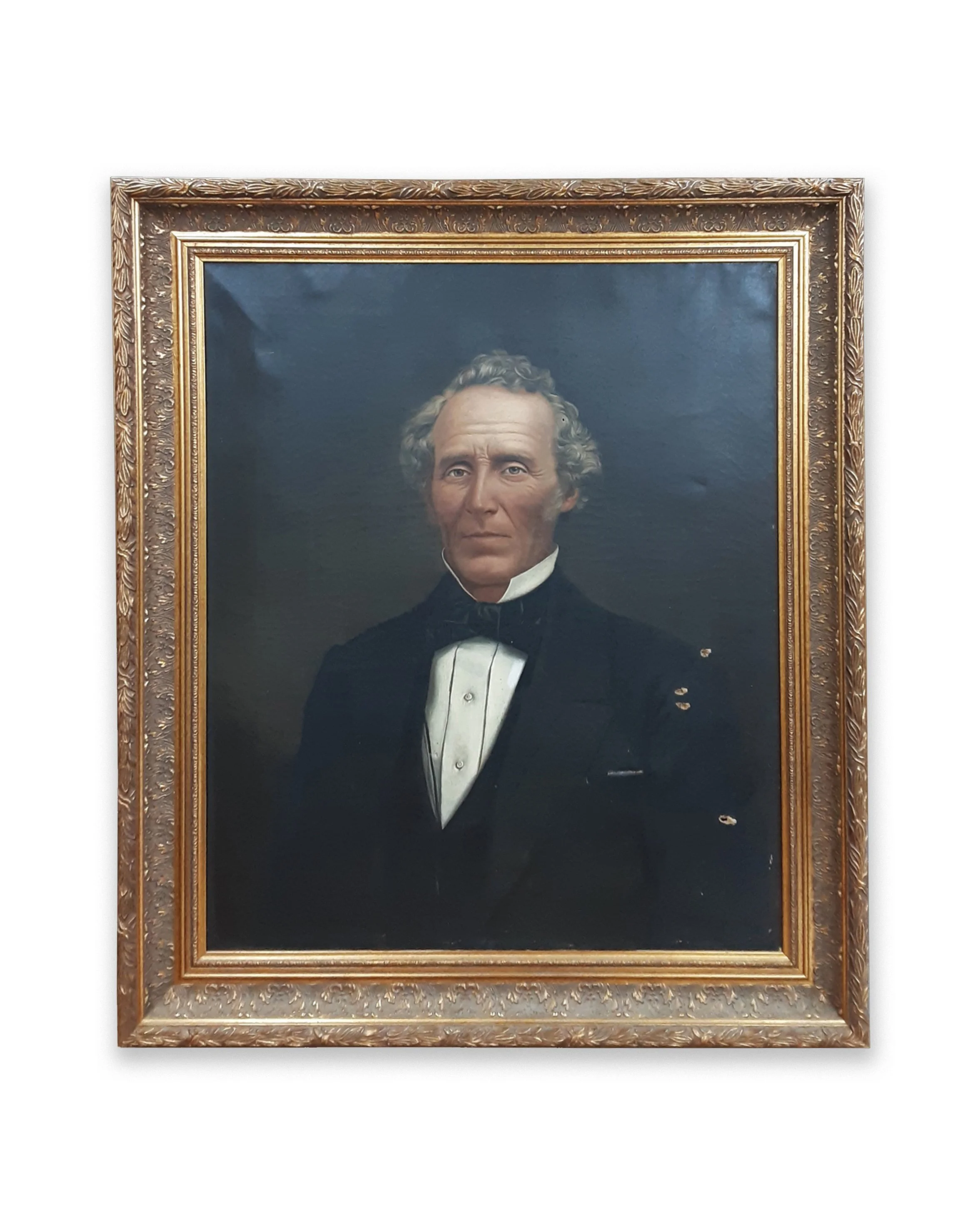
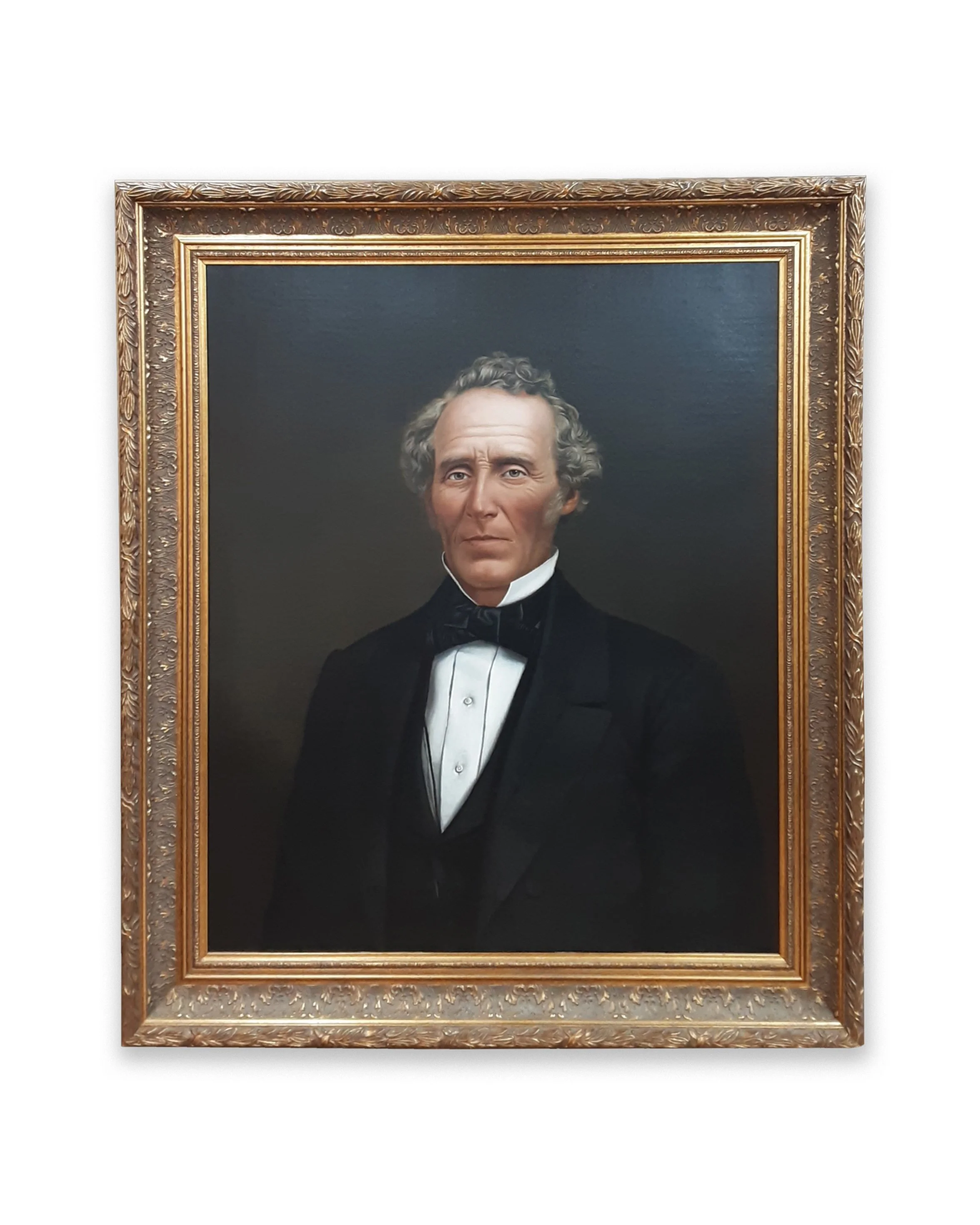
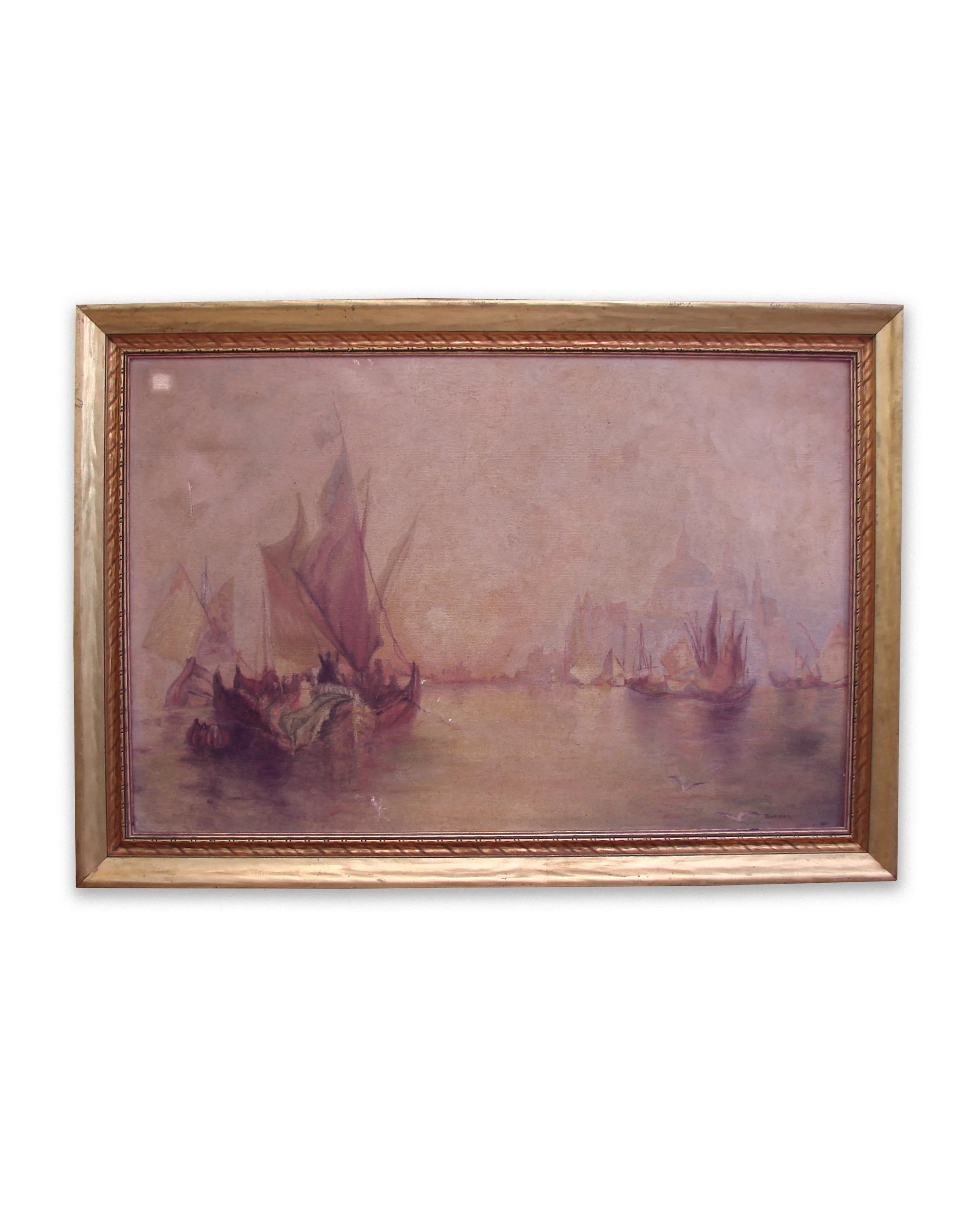
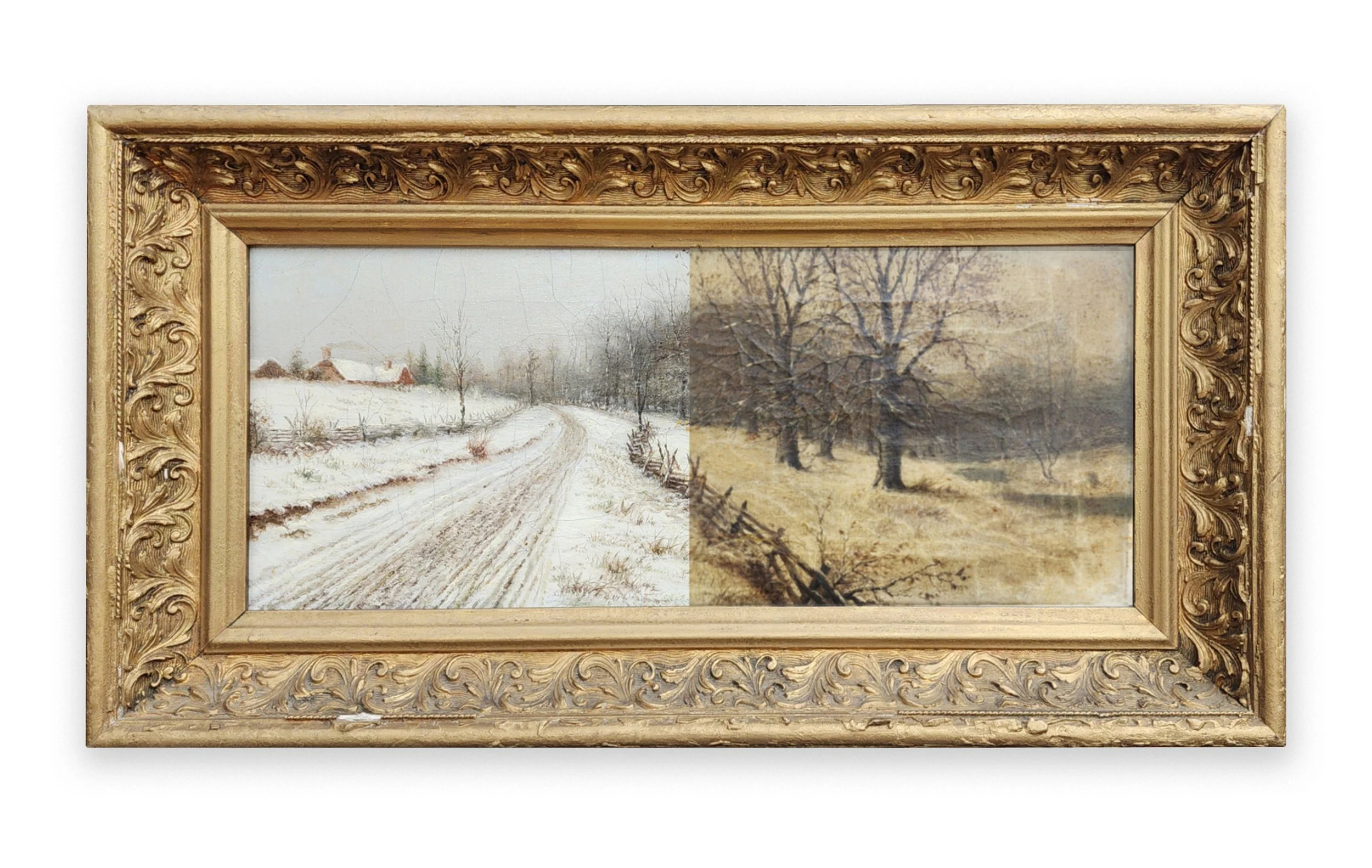
All of the before and after images are of actual items that we have repaired, restored and/or conserved.

Paintings and Frames

Original artwork can sustain all sorts of damage over its lifetime. As conservators, we have an obligation to the artwork to recommend the best techniques for preserving it for future generations. We strive to offer our customers the best options to restore their artwork, while maintaining the integrity of the pieces.

Paintings

Paintings are made up of organic materials - the paint, the wood frame and the canvas. These materials naturally deteriorate and, without intervention, eventually become unrecognizable. Other factors that may contribute to this deterioration include:
  • Atmospheric conditions, including pollution, tobacco smoke, soot and other common contaminants.
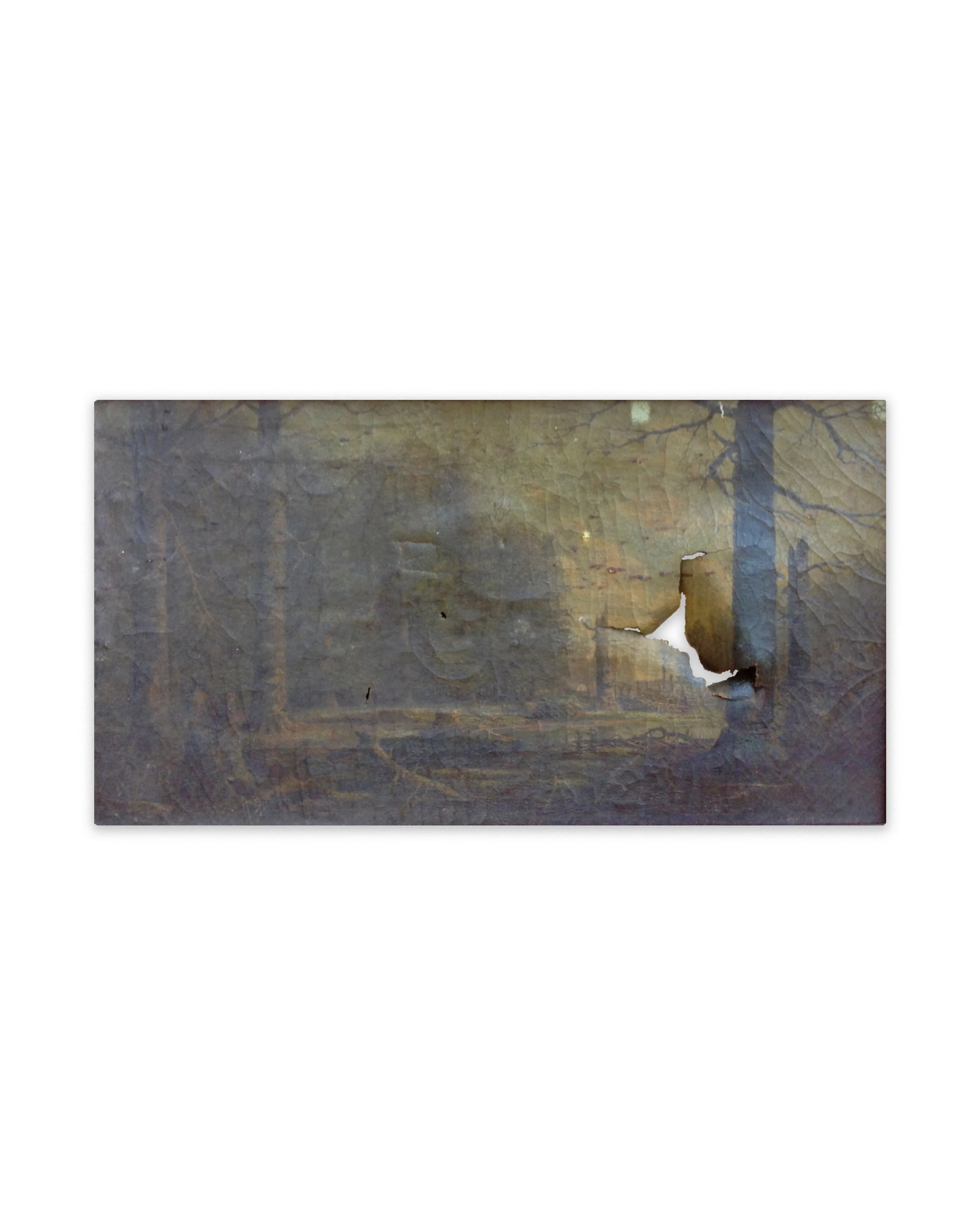
  • Accidents that result in rips, tears and burn holes.
  • Inappropriate handling, storage or hanging.
  • Yellowing of varnish and shifting the colors in the painting.
  • Rippled, loose, dry or rotted canvas.
  • Cracked or flaking pigment.
Each of these issues requires special attention.
Consolidation

Consolidation

A technique for securing flaking ground or paint. Consolidation can be done in a single location on the painting or to the overall work utilizing a heat table.
,
Lining

Lining

Severe damage can sometime make it necessary to add a secondary backing to the painting.
, and
In-painting

In-painting

Using either photographs of the artwork or cues from the artist's brushstrokes as a guide, conservators can touch up portions of a painting that have been ripped, torn or flaked away, restoring the painting to the artist's original intention. This technique is known as inpainting. It is different than overpainting, when paint is applied over original paint, and it is not an acceptable conservation technique.
are among the primary techniques we utilize to preserve oil paintings, and we approach the restoration on a case by case basis.

Frames

The craftsmanship of an antique picture frame enhances any piece of artwork, especially if that work of art is in its original frame or in one from the appropriate era. At Wiebold Studio, our conservators apply proven techniques to the repair, restoration and conservation of frames alone, or along with a piece of art.
  • Repair cracked or out-of-joint corners
  • Repair ornamentation or embellishments
  • Recasting or re-carving missing ornamentation
  • Re-gilding gold or silver leaf
  • Toning and glazing to blend repairs with the original finish
Suggestions

There are many ways you can help care for your painting and frames.
Click here

Suggestions for Helping You Preserve Your Paintings and Frames

  • Maintain an environment between 40 and 60 percent humidity.
  • Avoid hanging pictures in direct sunlight; this can cause fading of some pigments, yellowing of varnish.
  • Avoid hanging near fireplaces, heating and air conditioning vents, bathrooms or outside walls due to rapid environmental fluctuations.
  • Avoid lighting that generates enough heat to warm the surface of the painting.
  • Use small rubber spacers on the back of the frame to increase air circulation behind the picture.
  • Do not touch the painting with your fingers; the natural oils in your skin can cause damage and leave marks that may appear decades later.
  • Avoid using pesticides, foggers, air fresheners and furniture sprays near paintings.
  • Remove art from the room before plastering, painting, wallpapering or steam-cleaning carpet.
  • Do not try to clean a painting yourself, or use any liquid on a painted surface.
Contact a conservator for intervention if:
  • Varnish becomes discolored and affects the artist's intended colors.
  • Tears in the canvas appear.
  • Paint flakes and cracks.
  • Mold or insects appear on the painting.
  • The surface is rippled or out-of-plane.
These suggestions are intended for guidance only. Wiebold Studio does not assume responsibility or liability.
for suggestions.
Related Terms
Carved Wood, Oil Paintings, Watercolors, Family Portraits, Decorative Arts, Fire, Smoke, Soot, Holes, Rips, Tears, Cracks, Flaking, Crackalure or Craquelure, Crazing, Filet or Fillett, Flaking, Gold Paint, Peeling, Pigment, Varnish, Yellowing, Antique frame, Art frame, Gilt, Gold leaf, Ornate, Painting, Portraits, Rabbet or Rabbit, Silver leaf, Embellishment, Ornamentation